



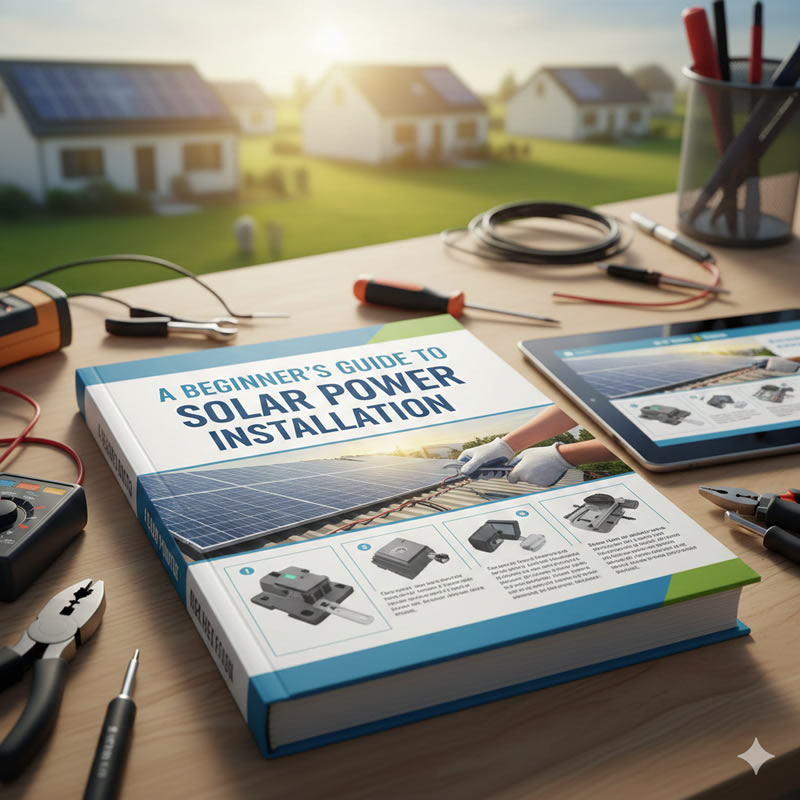
As electricity costs rise and power supply remains unreliable in many areas, solar energy has become a smart and sustainable alternative. This solar power installation guide is designed to help beginners understand the basics of solar power, how it works, and what to consider before installing a system.
What Is Solar Power?
Solar power is energy generated from sunlight using solar panels. These panels convert sunlight into electricity through photovoltaic (PV) cells. The electricity produced can be used immediately, stored in batteries, or sent to the grid (depending on the system type).
How Solar Power Systems Work
A typical solar power system includes:
-
Solar panels – capture sunlight and convert it into electricity
-
Inverter – changes direct current (DC) into alternating current (AC) used by appliances
-
Battery (optional) – stores excess power for use at night or during outages
-
Charge controller – regulates voltage and protects batteries
-
Mounting structure – holds panels securely in place
When sunlight hits the panels, electricity is generated, converted by the inverter, and supplied to your home or business.
Types of Solar Power Systems
-
Grid-tied system – connected to the public electricity grid; no batteries required
-
Off-grid system – completely independent; relies on batteries for storage
-
Hybrid system – combines grid connection with battery storage
Choosing the right type depends on your energy needs, budget, and access to grid power.
Steps in Solar Power Installation
This solar power installation guide breaks the process into simple steps:
-
Energy assessment
Determine how much electricity you consume daily to size your system correctly. -
Site evaluation
Check roof space, direction, shading, and structural strength. -
System design
Decide on panel capacity, inverter size, and battery storage (if needed). -
Installation
Panels are mounted, wiring is done, and components are connected. -
Testing and commissioning
The system is tested to ensure it works efficiently and safely.
Benefits of Solar Power Installation
-
Reduced electricity bills
-
Clean and renewable energy
-
Low maintenance costs
-
Energy independence
-
Environmentally friendly
Things to Consider Before Installing Solar
-
Initial installation cost
-
Available sunlight in your location
-
Roof condition and space
-
Quality of components
-
Professional installation and warranty
Maintenance Tips
Solar systems require minimal maintenance. Regular cleaning of panels, checking cables, and ensuring batteries are in good condition will keep the system running efficiently for many years.
Solar energy is a reliable and sustainable solution for homes and businesses. With the right information and planning, anyone can get started.
Comments are closed