



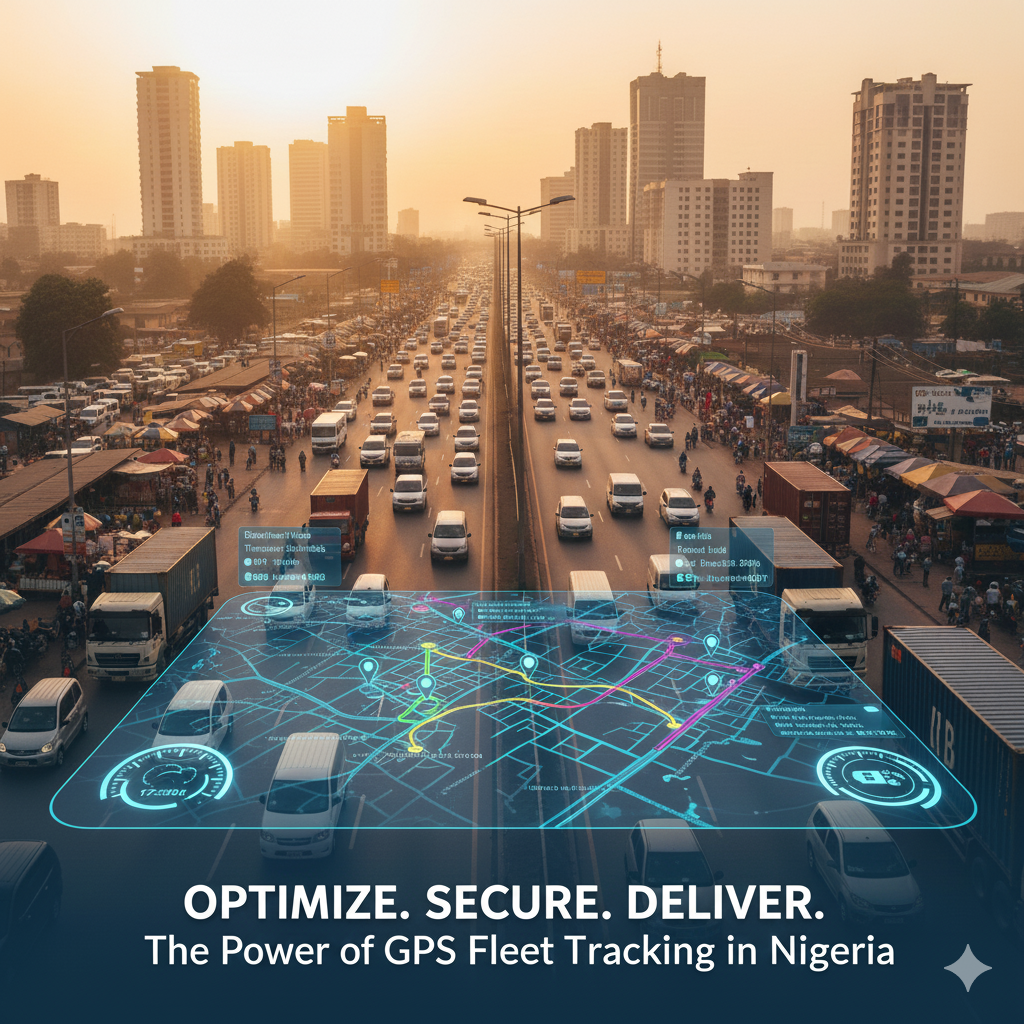
Why Every Fleet Manager in Nigeria Needs GPS Car Tracking
Fleet management in Nigeria is becoming more challenging due to rising fuel costs, security issues, bad road networks, and increasing pressure to deliver goods on time. To stay efficient and competitive, fleet managers need tools that help them monitor, protect, and optimize their vehicles. One of the most effective tools today is a GPS car tracker.
A GPS car tracker uses satellite signals and smart technology to show the real-time location of any vehicle. But beyond tracking, it offers many benefits that make it essential for every fleet manager in Nigeria. Some of the benefits are as follows;
1. Enhances Vehicle Security
Vehicle theft and unauthorized movement are major concerns in Nigeria. With a GPS car tracker, fleet managers can:
-
Monitor the exact location of each vehicle at any time
-
Receive alerts when a driver goes off-route
-
Activate remote immobilization (depending on the device) to stop vehicle theft
This greatly reduces the risk of losing assets and improves overall security.
2. Reduces Fuel and Operational Costs
Fuel cost is one of the biggest expenses for fleet owners. GPS tracking helps reduce it by:
-
Detecting fuel-wasting behaviors like speeding or long idling
-
Identifying the most efficient routes
-
Preventing unauthorized trips
Over time, these small improvements lead to significant savings.
3. Improves Driver Behaviour
Reckless driving increases fuel consumption, vehicle wear, and accident risks. A GPS car tracker gives fleet managers access to:
-
Speed reports
-
Harsh braking and acceleration alerts
-
Driving history
Knowing that their driving patterns are monitored encourages drivers to behave responsibly, reducing accidents and maintenance costs.
4. Increases Productivity and Timely Deliveries
In a country where traffic delays and unpredictable road conditions are common, GPS tracking helps fleet managers:
-
Provide accurate delivery timelines
-
Redirect drivers quickly when there is traffic
-
Manage multiple vehicles efficiently
This leads to faster deliveries and better customer satisfaction.
5. Makes Maintenance Planning Easier
Unplanned breakdowns can be costly and disrupt business operations. GPS systems can:
-
Track mileage
-
Send reminders when it’s time for servicing
-
Help managers identify vehicles that need attention early
This ensures a healthier fleet and reduces downtime.
6. Provides Valuable Data for Better Decision-Making
A GPS car tracker gathers useful information such as travel time, route history, speed patterns, and fuel usage. Fleet managers can use these insights to:
-
Improve route planning
-
Assign tasks more efficiently
-
Analyze performance and reduce waste
This level of data-driven decision-making helps improve the overall performance of the fleet.
7. Enhances Accountability and Transparency
GPS tracking eliminates guesswork. It ensures:
-
Drivers do not divert or misuse company vehicles
-
Customers receive accurate delivery updates
-
Managers have full visibility of operations
This boosts trust, transparency, and accountability throughout the organization.
With the increasing demands of logistics and transportation in Nigeria, GPS technology is no longer optional. A GPS car tracker helps fleet managers protect their vehicles, cut costs, improve productivity, and deliver better results. Any fleet manager who wants to operate efficiently in today’s competitive environment should consider adopting GPS car tracking as a core part of their operations.
Comments are closed