



he physical and operational landscape for businesses, estates, and corporate institutions in Nigeria faces a complex, shifting security environment. From localized urban crime and property inflation to sophisticated digital fraud, the pressure to secure physical perimeters and corporate digital assets has never been higher.
To build resilient infrastructure, organizations must move away from reactive measures and adopt proactive, multi-layered defense frameworks. Below, we break down the core structural problems, modern technological solutions, and long-term preventative measures required to navigate the current climate.
The Core Problems: Why Legacy Security Infrastructure is Failing
Many Nigerian corporate organizations, residential estates, and industrial hubs still rely on outdated security measures that fail to deter modern threats.
-
Predictable Perimeters and Single-Point Failures: Relying solely on structural walls and standard physical personnel creates vulnerabilities. Human guards are susceptible to fatigue, distraction, and coercion. Without automated screening and continuous electronic surveillance at primary access barriers, perimeters remain easily breachable.
-
The Proliferation of Sophisticated Smuggling and Insider Threats: Weapon concealment techniques have evolved, and insider collusion remains a significant driver of corporate asset loss. Standard manual search procedures at entry points are slow, intrusive, and highly prone to oversight, allowing prohibited items or high-value stolen inventory to pass through checkpoints unnoticed.
-
The Convergence of Physical and Digital Vulnerabilities: In modern facilities, physical entry systems are increasingly tied to local networks. A vulnerability in one domain exposes the other; an unprotected network switch can grant attackers access to server rooms, while unmonitored entry doors leave physical digital infrastructure exposed.
The Solutions: Multi-Layered Physical and Digital Defense Systems
Addressing these modern vulnerabilities requires integrating smart hardware and robust data protocols to establish rigorous checkpoint control.
Deploying Multi-Zone Security Gates
For high-traffic corporate offices, data centers, and public facilities, manual security wanding creates bottlenecks and operational blind spots. Implementing advanced multi-zone security gates ensures uniform threat detection.
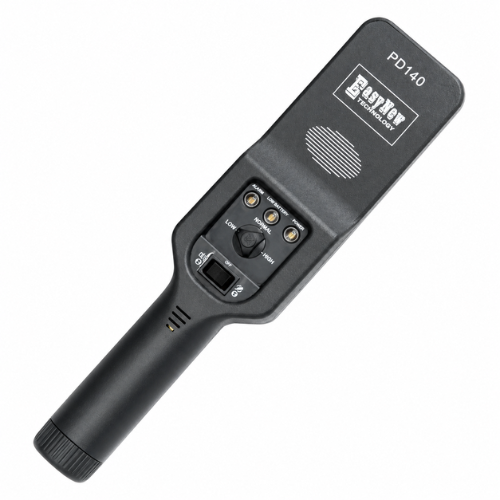
Unlike legacy single-zone units, a multi-zone walkthrough metal detector divides its internal field into multiple distinct vertical areas. When a concealed object passes through, the unit pinpoints its exact location (e.g., ankle level versus waist level) via LED indicators on the side panels. This enables security personnel to conduct targeted, rapid secondary screenings using a handheld security wand, reducing transit delays and maintaining high throughput.
+----------------------------------------+
|       Digital Control Panel & LED      |
|         Throughput/Alarm Counter       |
+----------------------------------------+
| [ Zone 6 ]  |  Visual Alarm  | [ Zone 6 ] |
| [ Zone 5 ]  |  Light Strips  | [ Zone 5 ] |
| [ Zone 4 ]  |  Pinpoint the  | [ Zone 4 ] |
| [ Zone 3 ]  |  Exact Height  | [ Zone 3 ] |
| [ Zone 2 ]  |   of Detected  | [ Zone 2 ] |
| [ Zone 1 ]  |  Metal Threats | [ Zone 1 ] |
+----------------------------------------+
|                Foot Pad                |
+----------------------------------------+
Implementing Digital Zero-Trust Access Control
On the operational and network front, organizations must transition to a Zero-Trust Architecture. Under this model, neither internal users nor external guests are granted automatic access based on location. Every interaction—whether a visitor attempting to cross a physical turnstile or an employee logging into a local server—must be explicitly authenticated, authorized, and continuously validated through encrypted credentials and multi-factor authentication (MFA).
The Prevention: Hardening Infrastructure Against Future Vectors
Preventing security breaches requires continuous operational maintenance and a well-trained workforce.
-
Routine Calibration and Hardening: Physical screening equipment, such as multi-zone gates and automated access barriers, must undergo regular calibration to filter out environmental interference (such as structural metal or nearby electrical wiring) while maintaining peak sensitivity to real threats.
-
Unified Security Convergence: Physical security logs from walkthrough gates, biometric scanners, and CCTV networks should feed directly into a centralized security operations hub. This integration ensures that if a physical barrier is forced or tampered with, corresponding local digital systems can lock down automatically.
-
Human-Layer Training: Security personnel must be trained not just to run equipment, but to interpret diagnostic alerts critically. Regular drills simulating checkpoint bypasses and social engineering attempts keep internal teams sharp and resilient against evolving intrusion methods.
Optimizing Your Facility’s Perimeter
Securing a modern facility requires a deliberate balance of technology and strategy. By combining high-efficiency physical screening tools with strict digital identity frameworks, organizations can significantly reduce risk profiles and protect both human and corporate assets.
Are you evaluating your current building access controls, or looking to integrate smarter screening hardware into an existing security setup?
Comments are closed